




Whoa!
I got into Solana wallets because I wanted speed and low fees.
At first it felt like a novelty, though actually, wait—let me rephrase that: it felt like an experiment with promise, and a few annoying surprises.
My instinct said there would be rough edges, and sure enough I ran into a couple of them within days.
I’m biased, but this part bugs me in a useful way, because it forces you to learn somethin’ important about custody and browser security.
Seriously?
Phantom’s UX really is a breath of fresh air compared with early crypto tools.
The UI is clean and the extension slots into Chrome, Brave, and other Chromium-based browsers without drama.
On one hand the integration with dApps tends to “just work,” though actually there are cases where popup blockers or privacy settings trip things up and you have to be patient and poke the settings.
My first impressions were enthusiastic, then skeptical, then curious again as I dug deeper into the features.
Whoa!
Installation is straightforward for most users.
But installation is only step one — seed phrase safekeeping is step infinity.
Initially I thought saving a screenshot might be okay, but then I realized that was a terrible, terrible idea (don’t do that).
Something felt off about my casual habits, so I stopped and created a clear, offline plan for recovery.
Here’s the thing.
Security is where Phantom both shines and shows its limits.
It offers hardware wallet support (Ledger, for example), and that is a huge plus if you care about keeping private keys off a browser environment.
On the other hand, browser extensions are inherently exposed to phishing and malicious tabs, so the human factor—how you click, what sites you approve, and how you manage your seed phrase—matters at least as much as the tech.
My gut said prioritize hardware-backed keys for meaningful holdings, and I still stand by that.
Whoa!
There are smart conveniences built in.
Token swapping, staking, and NFT handling happen inside the extension so you don’t always have to hop sites.
That convenience raises risk though, because a single compromised site can request multiple approvals and you might not notice the pattern until it’s too late.
On balance, Phantom balances usability and security better than most, but you have to use it like a cautious person would.
Really?
I had one moment where I approved a request without reading and lost some test tokens (thankfully not much).
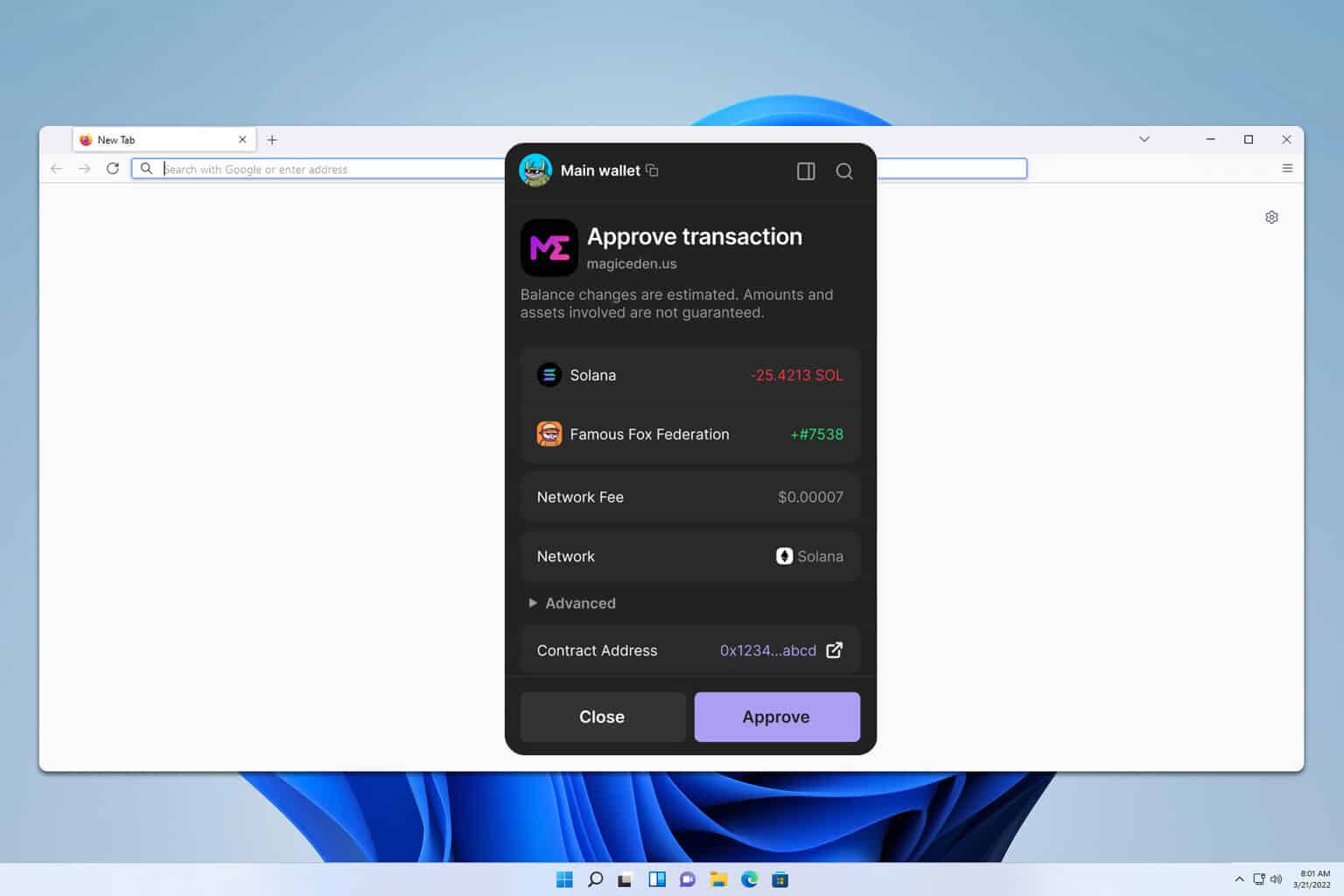
Lesson learned: read the scopes and the transaction details.
Initially I thought “the dApp knows best” but then I realized a lot of dApp prompts are generic and you need to check line items carefully.
So now I triple-check amounts, recipient addresses, and fees before confirming anything; it’s tedious but it works.
Whoa!
Integration with Solana dApps is the reason many people pick Phantom.
Games, NFT marketplaces, and DeFi apps on Solana commonly support the extension right out of the box.
On the technical side, Phantom exposes standard APIs so developers can connect wallets with minimal friction, though compatibility still depends on how the dApp was built and whether it handles wallet disconnections gracefully.
I’m not 100% sure every edge case is covered, but for everyday use it’s robust and fast.
Here’s the thing.
If you’re installing Phantom today you might want the official extension, not an imposter.
A safe move is to download via trusted channels, and if you prefer a direct route you can find the official installer page using this link: phantom wallet download extension.
My instinct said to verify the URL and the page certificate, and I recommend you do the same—check that green padlock and the domain closely.
Yes, there are copycats and malicious links out there, so treat installs like you would any sensitive software on your machine.
A practical checklist for using Phantom safely
Wow!
Create a new wallet only on your personal device.
Write the seed phrase on paper and store it in a safe place, not a screenshot or cloud drive.
On deeper thought, consider a hardware wallet for larger balances because even well-coded extensions can be affected by browser-level exploits, and the extra layer of physical confirmation deters many attack vectors.
Whoa!
Enable hardware wallet integration when possible.
Keep your browser updated and limit installed extensions to the essentials.
If you’re someone who uses multiple dApps, make a habit of clearing permissions periodically and revoke access you no longer need—Phantom lets you manage connected sites, but humans forget to audit this stuff.
I’m guilty of letting permissions pile up, so I set a calendar reminder to clean them quarterly.
Really?
Be skeptical of unsolicited links and social DM offers.
Phishing is the number one threat for extension wallets.
On the other hand, decentralized identity tools and improved domain vetting are getting better, though actually, they aren’t a total fix yet and you still need to stay vigilant.
So use two-factor signals and community vetting (Discord/Reddit) when you’re unsure about a dApp.
Common questions people actually ask
Q: Can Phantom be used on mobile?
Whoa!
Yes, there’s a mobile app that mirrors much of the extension’s behavior.
It plays nicely with dApps that support WalletConnect-like flows on Solana, though the mobile experience is naturally different and sometimes less convenient for multitasking.
If you’re traveling a lot, the mobile app is handy, but for high-value ops I stick to a desktop plus hardware wallet combo.
Q: What if I lose my seed phrase?
Wow!
If you lose it and you don’t have a hardware key backup, recovery is generally impossible.
That’s the tradeoff with self-custody: you control the keys, so you also have full responsibility.
I’m blunt about it because sugarcoating won’t help—store backups offline, in multiple secure locations if needed.
Q: Is Phantom open source?
Really?
Yes, Phantom has open-source components and you can review parts of the code publicly.
Open source isn’t a magic shield—vulnerabilities can exist—but it does allow community review and faster identification of problems when people check the code.
So it’s a positive signal, but not the only one to rely on.
Whoa!
I keep coming back to the same practical advice.
Treat Phantom like a high-quality tool that still needs smart handling.
Initially I thought convenience alone would sell me; now I realize it’s the combination of UX, speed, and a community that elevates the wallet, though there are real risks that require user discipline.
If you use it, be curious, be cautious, and be methodical—your future self will thank you.

